

Hamilton-Wentworth District School Board (HWDSB) is committed to supporting positive mental health for every student. The We Help: Mental Health and Addiction Strategy is a comprehensive three-year strategy that organizes and guides the multi-tiered approach to support every student to feel safe and secure in their classrooms and school communities.
The HWDSB We Help: Mental Health and Addictions Strategy has prioritized three areas for the 2025-26 Annual Mental Health and Well-Being Action Plan found below.
The plan aligns with the goals set out in the HWDSB Board Improvement Plan (BIP) as well as the six key areas of focus outlined in the School Mental Health Ontario (SMHO) 2024-2025 School Mental Health Action Plan (SMHAP).
The Annual Mental Health and Well-Being Action Plan also meets or exceeds the expectations set out by the Ministry of Education in Policy/Program Memorandum 169.
HWDSB Board Improvement Plan that Guides this Action Plan
- We will ensure that student voice and lived experience informs the classroom environment, learning, engagement and leadership experiences.
- We will provide intentional and culturally relevant teaching and supports on mental health so that K-12 students can recognize their own mental health needs and seek supports.
- We will provide learning for students to understand their human rights, roles and responsibilities related to their safety and well-being.
2025-26 Action Plan: Three Priority Areas
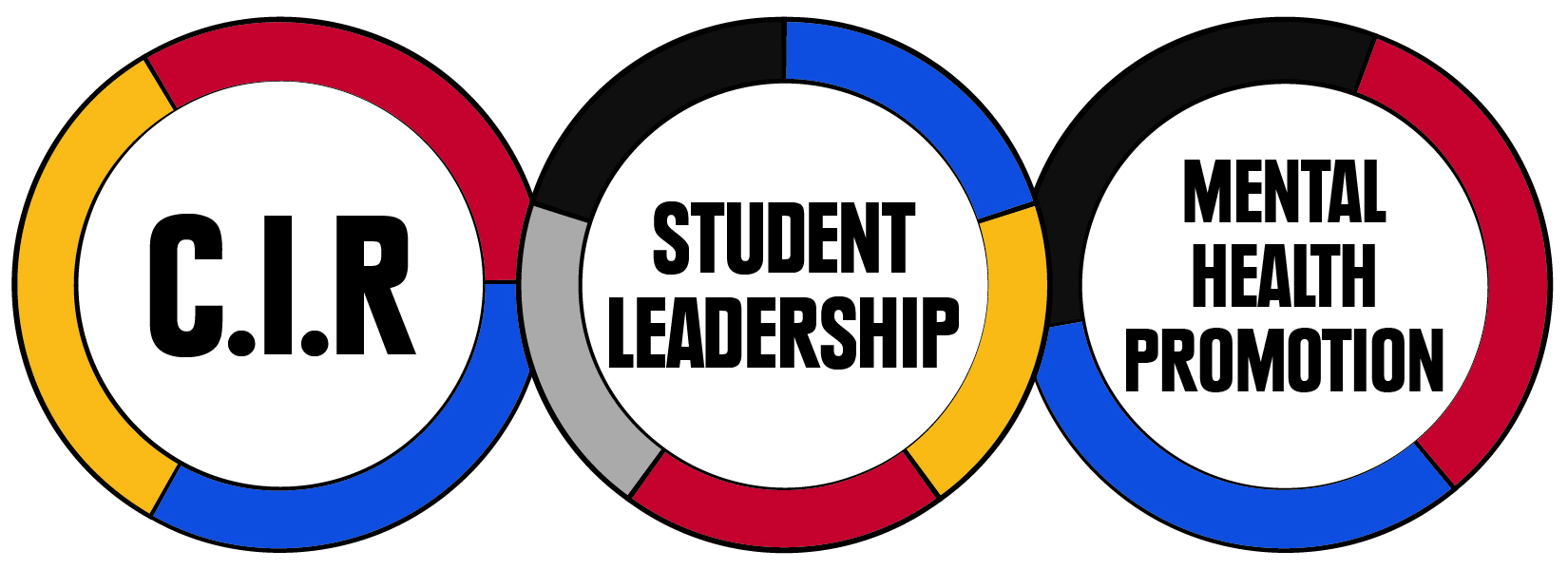
A. Student Leadership
Creating opportunities for student voice and lived experience to inform positive school and classroom conditions and promote mental health and well-being practices that are identity-affirming, nation-specific and culturally relevant and responsive.
Goals:
- Amplify student voice by actively engaging diverse perspectives, especially those of Indigenous, Black, Racialized, Two Spirit and LGBTQIA+ youth, and students with disabilities to help shape an inclusive school culture and work towards cultural safety.
- Apply a Two Row parallel approach to ensure ethical engagement with Indigenous Peoples through prior consultation, community approval, and inclusion of Indigenous student voice. Advance reconciliation by integrating Indigenous Knowledges into HWDSB wellbeing practices and strengthen capacity in Indigenous Cultural Safety and Human Rights across all levels of the system.
- Support Identity-Affirming practices by encouraging student-led mental health initiatives that reflect and recognize students’ unique identities and cultures.
- Strengthen student leadership structures by providing consistent support and mentorship to key student groups to enable impactful, meaningful engagement.
- Promote positive and inclusive school culture by establishing and maintaining student-led teams in all schools, with the goal of creating welcoming, supportive, and connected learning environments.
- Collect and utilize student feedback through diverse platforms to authentically inform and enhance programs, policies, and school planning with relevance.
Actions:
- Support the Student Leadership Advisories
- Student Advisory on Mental Health
- Racialized Students Leadership Advisory
- Two Spirit and LGBTQIA+ Student Advisory
- Apply a Two Row parallel approach to ensure ethical engagement with Indigenous Peoples
- Collaborate with Cultivating Community: Reclaiming Our Spaces in Education (CC:ROSE) -Indigenous Student Leadership Group
- Collaborate with Special Education, Inclusion and Equity Student Leadership Group
- Support student-led school-wide Positive Culture and Well-Being teams in every school
- Student Summit on Positive Culture and Wellbeing
- Collect student voice using various methods such as focus groups, feedback sessions and surveys (e.g. School Climate Survey)
B. Creating Conditions for Learning, Identity Affirming Curriculum and Practices and Responding to Student Need (C.I.R.)
Enhance the capacity of staff through job-embedded, role-specific learning that will foster safer, caring and more equitable schools and classes, where students feel a sense of belonging while accessing accurate information about mental health and support.
Goal:
- Center student well-being by equipping staff with the tools and knowledge to create learning environments where every student feels seen, heard and supported.
- Strengthen inclusive identity affirming teaching practices by building staff capacity to recognize and address barriers to engagement, fostering classrooms that reflect care, belonging, and cultural responsiveness.
- Promote and nurture a culture of responsiveness by supporting staff in recognizing and identifying the diverse academic, social-emotional, and mental health needs of students, ensuring timely and appropriate responses that foster belonging, mattering and a sense of connection.
Actions:
- Continue to build staff capacity in restorative Indigenous educational wellness, mental health and well-being, human rights, equity and safer schools through specific learning initiatives.
- Support the implementation of intentional and culturally relevant lesson plans and activities for staff to use in their classrooms.
- Role-embedded learning for classroom staff to create safe and inclusive environments, develop identity affirming curriculum and respond to student need with care and compassion
- Role-embedded learning for non-instructional school and system staff to support C.I.R.
- Monitor and reflect on impact using evidence and feedback to evaluate the effectiveness of role-specific learning, ensuring it leads to measurable improvements in school culture and student experience.
C. Mental Health Promotion
A clear and supportive communication strategy that educates students, caregivers and staff on what mental health is, how to recognize when help is needed, actionable steps to take, and where to find accessible, identity affirming support.
Goals:
- Promote Mental Health Literacy by enhancing students’ understanding of mental health and providing accessible, identity-affirming information, supports, and resources that reflect the diversity of their lived experiences.
- Support Caregivers and Educators by equipping caregivers and school staff with relevant tools and information to strengthen the network of adult support available to students, fostering consistent, informed, and compassionate care.
- Center Student and Staff Voice to ensure student and staff voice is meaningfully centered in all mental health and wellbeing efforts by maintaining a relevant, inclusive, and responsive approach. This includes fostering ongoing engagement with Student Leadership Advisories, Mental Health and Wellbeing Representatives, and the Principal/Vice-Principal Advisory on Mental Health, with the aim of integrating lived experiences, co-designing resources, and shaping strategies that reflect the diverse needs of school communities.
Actions:
- Develop a Clear and Inclusive Communication Strategy through establishing a proactive, identity-affirming approach to mental health communication that:
- Defines mental health in accessible and inclusive language
- Validates the emotional experiences linked to everyday and complex stressors
- Equips students with practical coping tools and skill-building opportunities
- Promotes awareness of pathways to access support, enhancing emotional regulation and overall wellbeing
- Build mental health literacy and nurture a culture of help-seeking by promoting available resources, normalize conversations about mental health, and encourage proactive support-seeking behaviors through:
- School-Wide initiatives that engage students in planning and leading events through wellbeing clubs, student leadership teams, or positive school culture groups to promote awareness and connection.
- Workshops and information sessions that promote culturally responsive, identity-affirming mental health and wellness.
- Classroom Integration by embedding discussions and lessons on self-awareness, emotional wellbeing, and help-seeking strategies into the classroom environment.
- Caregiver Engagement by inviting caregivers to topic-specific evening sessions to build mental health awareness, increase caregiver understanding, and clarify the school’s support pathways and response protocols.
- Staff capacity building by providing ongoing professional learning focused on response skills, school-based support pathways, and culturally responsive practices.
- Provide Identity-Affirming, Evidence-Informed Mental Health supports and ensure timely, appropriate, and affirming supports are available within the school community through:
- Raising awareness of the professional mental health services available in schools, including how and when to access them.
- Delivery of identity-affirming, evidence-informed individual, group, and family-based interventions that reflect the lived experiences of students and caregivers.
- System navigation and community bridging to help students and families connect with external community mental health resources and services, ensuring a seamless continuum of care.
Archive of Previous Action Plans
We: Help Annual Mental Health and Well-being Action Plan 2024-25
Updated on Wednesday, October 29, 2025.